When it comes to discussing retirement with clients I always like to utilize real world examples. One example that came to mind recently is how investing in retirement is like a game of pool. When you are investing and are reliant on your investment income then the stakes are considerably higher than when you still have career income and are building your net worth.
When the stakes are high, you must ensure that you take time to be accurate and to line up your shots. You can’t just “shoot from the hip” and hope that you are successful. In investing, this means that you (or whomever is managing your assets) is doing their due diligence when picking your investments. You may get lucky once or twice but without a prudent investment strategy then you are playing Russian Roulette, especially when you have to invest through countless economic cycles and ensure that your funds last for multiple decades. You might not be able to recover if you have too much exposure to one company that ends up going out of business or one sector that falls out of favor for a long period of time so the key thing here is to ensure that you are diversified into various companies, sectors, and countries. Take your time to ensure that you are accurate and sure of every move.
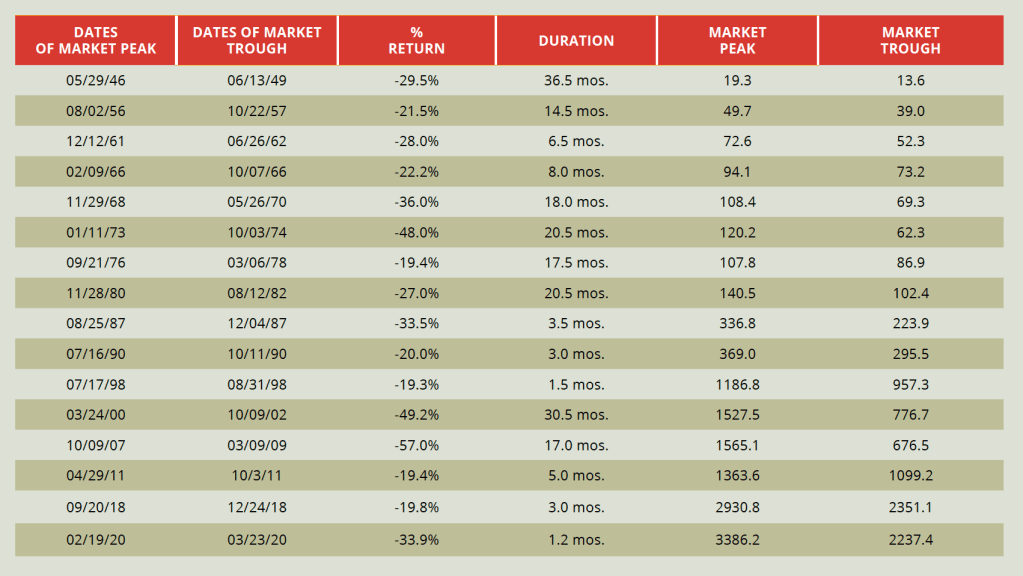
During a high-stakes game of pool, it is easy to let our emotions get the best of us. When our emotions run high and we get frustrated then we have a heightened risk of making costly mistakes. We know that the best thing we can do for our game is to remain calm and patient but it’s easier said than done, and it is exactly the same for investing. We can experience market-wide losses and people are ready to sell everything and go to cash rather than staying calm and patiently waiting for the market to recover. Generally speaking, if the money is needed in the short-term then you shouldn’t be investing that portion anyway. Be patient and don’t throw in the towel early, there is still lots of game to be played.
In investing and pool, we tend to have a short-term memory. You may have played well up to now but that doesn’t mean that your streak will continue. If the market has gone through a period of time with lower than average negative volatility then we tend to think that it will continue into the future and we are surprised when it doesn’t (see my article, “It’s Not a Matter of If, It’s When…”). If the market goes through a period of time that we see substantial negative returns then we still seem to think that it is going to continue rather than recover, even when a recovery is actually more probable. During short periods of time, we may find ourselves on hot streaks and on cold streaks but in the long term we are no better or worse than our asset allocation and, over time, our skill at pool and investing will always regress back towards our own average.
The winner will always be the one that has avoided making the most mistakes. Take your time lining up your shots, don’t let your emotions get the better of you, and ensure that you don’t let your past experiences cloud your future judgement. If you have a financial plan and remember these tips then you should have no problem “running the table.”
Want to chat about it? Email me at info@financerx.ca




 Finance RX